Post-Fair Master Planning
City voters and councils debated demolition versus permanent campus conversion. Retained structures adapted to new uses while open space expanded with International Fountain and sculpture installations.
Seattle Center Authority governance coordinates tenant leases, capital projects and event calendars including Bumbershoot and Northwest Folklife.
Major renovations — Climate Pledge Arena — required temporary relocation of sports and concert tenants.
Public Space and Fountain Design
International Fountain's programmed water jets and amphitheatre seating create communal gathering during festivals. Landscape architects integrated sightlines toward Space Needle as orienting landmark.
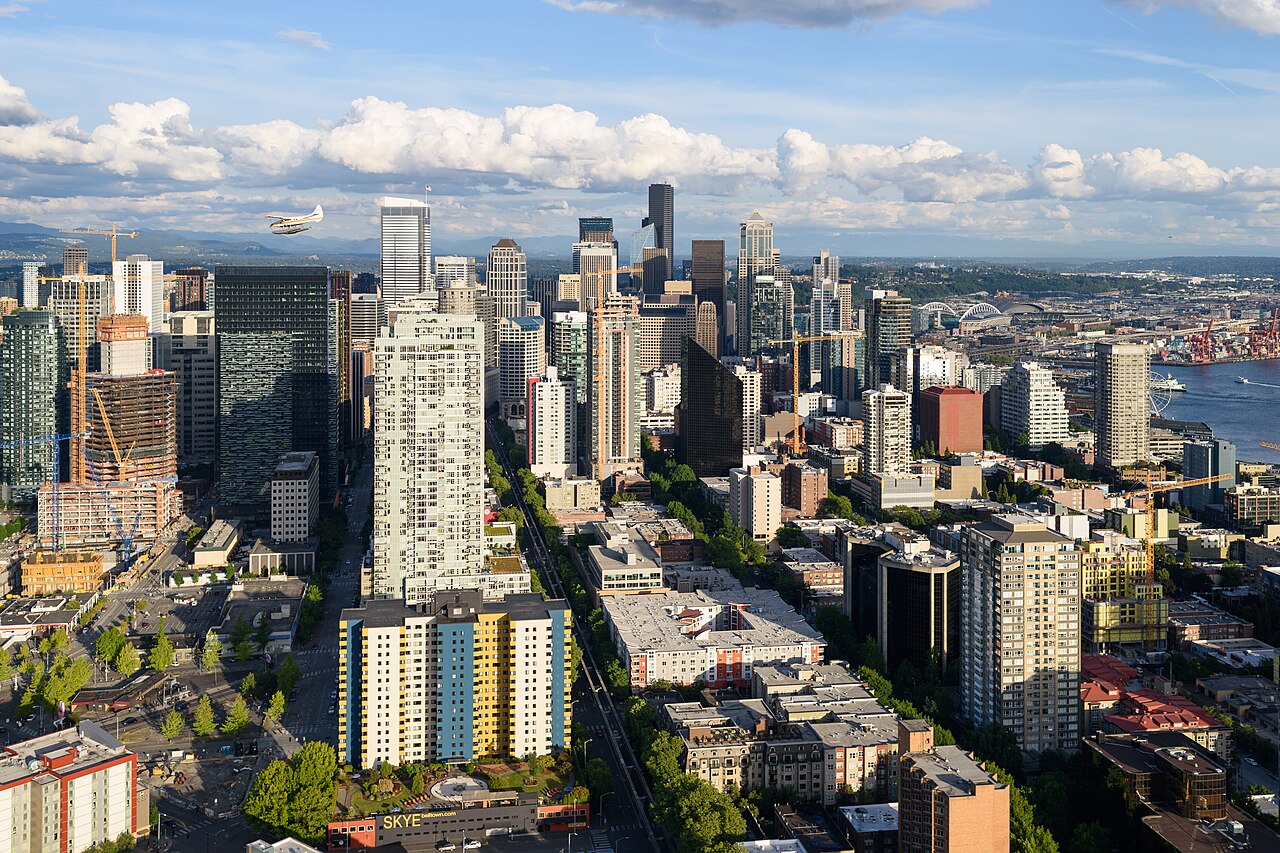
Skatepark, playground and lawn areas distribute recreational uses across campus edges adjacent to Belltown and Lower Queen Anne neighbourhoods.
Transport and Access
Monorail, bus routes and light rail expansion improved regional access. Pedestrian bridges and wayfinding signage connect campus to South Lake Union tech district growth corridors.
Related: Tech urbanism and South Lake Union
Community Equity Debates
Surrounding neighbourhood groups advocate affordable housing and anti-displacement measures amid rising land values attributed to campus attractiveness. Cultural funding equity discussions include BIPOC festival programming priorities.
Free admission days at partner museums extend access beyond ticketed attractions.
Read more: 1962 World's Fair origins
Future Capital Projects
Seattle Center strategic plans evaluate aging pavilion maintenance, seismic upgrades and climate resilience for outdoor events. Public consultation shapes prioritisation of lawn versus built expansion.
- Events: Festival season May through September
- Tickets: Campus grounds largely free; attractions ticketed
- Access: ADA routes throughout major venues